GTA 6 Just Became a Political Issue in France
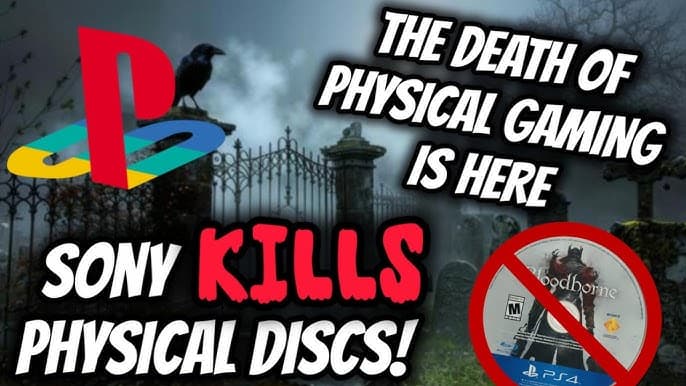
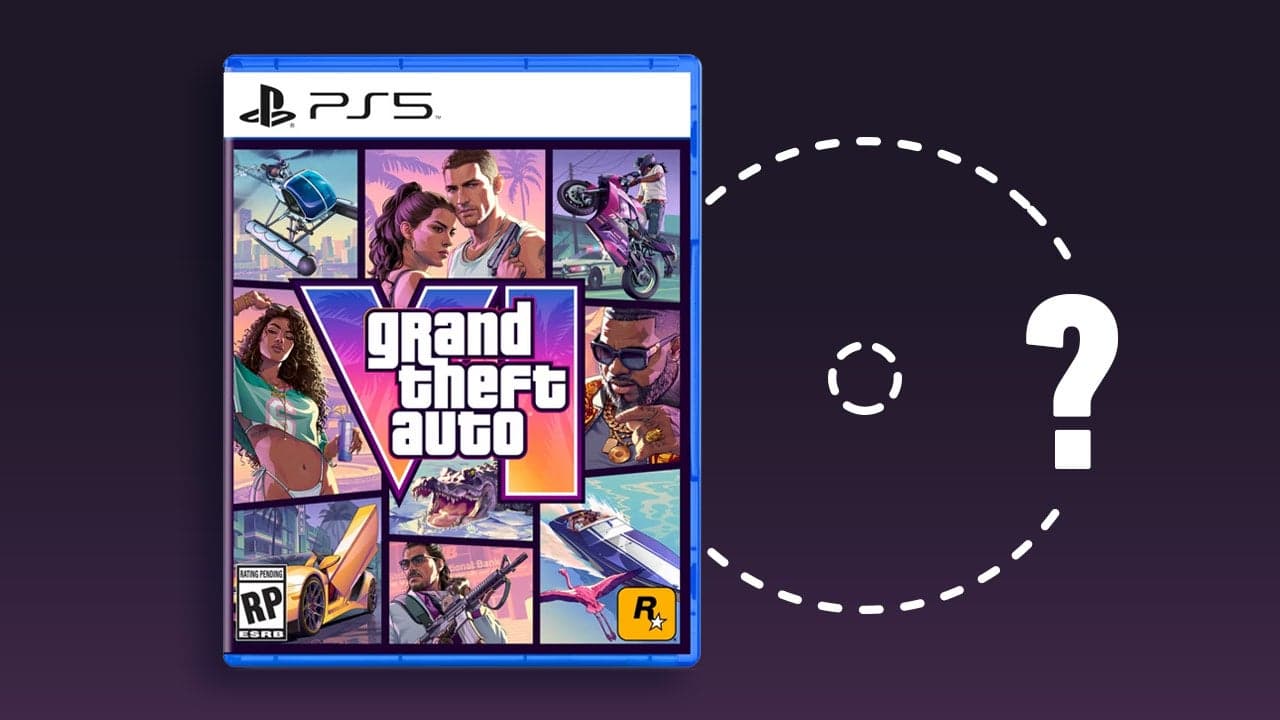
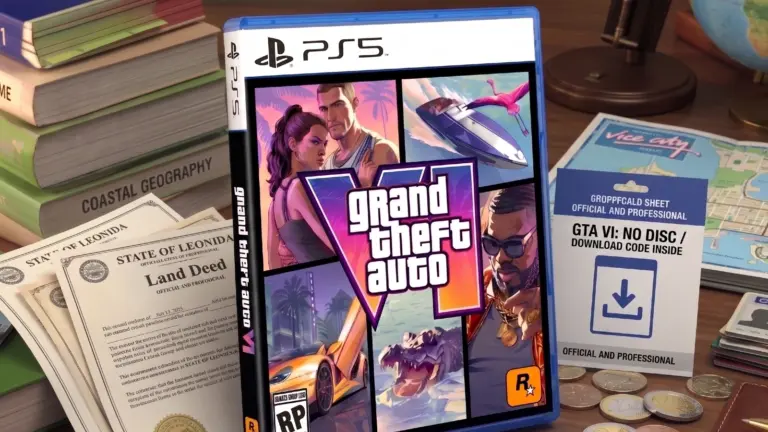
The GTA 6 disc controversy has officially escaped gaming forums and entered national politics. Jean-Luc Mélenchon — a veteran left-wing figure running for the French presidency in 2027 — posted on X using GTA 6's discless launch and Sony's end-of-disc announcement as the basis for a political argument about game ownership rights. In a translated post, he wrote: "With GTA 6 without a disc in 2026 and Sony's announcement of the end of physical disc sales for games in 2028, the question arises of how we view these products. Tomorrow, you will pay without ever owning anything. No loan, no resale, no guarantee of keeping what we've paid for. Video games are not mere merchandise — they are cultural assets."
An EU Parliament Member Joined In
Mélenchon was not alone. Leïla Chaibi, a member of the European Parliament, published a video arguing for legislative protection of physical video games and linked a petition. Her statement: "With the end of physical games, the video game industry wants to impose a fully digital model on us, where access will be conditional and time-limited. The buyer's rights will be denied. This is the triumph of total commodification — you pay full price for nothing more than a simple revocable right of access." A Brazilian lawmaker also joined the chorus separately, making this a genuinely international political story now, not just a European one.
The Legal Argument They're Making
The core argument from both politicians is that video games should be classified as cultural goods — the same category as books, films, and music — giving buyers legal protections around ownership, resale, and long-term access. Under this framework, selling someone a license that can be revoked without compensation, or removing games from a storefront without refunding buyers, would be illegal. France already has strong cultural goods protections for other media categories; Mélenchon and Chaibi are arguing games deserve the same treatment.
Will Legislation Actually Happen?
Realistically, forcing a global company like Sony or Rockstar to change their digital distribution model through French or EU legislation would require years of legal work and face enormous corporate resistance. GTABoom noted: "Whatever you think of the politics, he's raising a question many are asking." The more likely near-term outcome is increased political pressure that gives the Stop Killing Games movement more mainstream attention, rather than immediate regulatory action.
What This Means for Indian GTA Fans
India does not yet have equivalent cultural goods protections for video games, and Indian politicians have not yet entered this specific debate. But the underlying issue — digital licenses versus real ownership — affects Indian gamers just as much as European ones. Every digital game you buy in India is a license that can theoretically be revoked. The conversation happening in France and at the EU Parliament is one Indian gamers and Indian consumer protection advocates should be paying attention to, because these precedents tend to eventually reach global policy discussions.
My Take
I never expected to write a sentence containing both "GTA 6" and "French presidential candidate" in the same paragraph, but here we are. The fact that a discless video game launch has entered national election discourse in France tells you something important — the digital ownership debate has grown too big for the gaming industry to handle quietly. Whether legislation actually comes or not, GTA 6 just made gaming rights a mainstream political topic in a major democracy. That is genuinely significant, whatever you think of the politics.